A Novice's Guide to Recognizing Aluminum Foundry Tooling and Mold Development
Aluminum foundry tooling and mold production is a specialized location within production. Recognizing the principles is crucial for newbies. Numerous mold and mildew kinds, such as sand and investment mold and mildews, cater to various manufacturing requirements. Key tools and processes play a substantial duty in attaining effective results. As one navigates this complex field, the interaction between layout and execution becomes noticeable. What crucial techniques and understandings might transform an amateur into an experienced light weight aluminum foundry expert?
Comprehending the Basics of Aluminum Casting
Although lots of metals can be cast, light weight aluminum attracts attention because of its special residential properties and flexibility. This light-weight metal attributes outstanding corrosion resistance, thermal conductivity, and pliability, making it a popular option throughout different sectors. The casting process includes melting light weight aluminum and pouring it right into a mold and mildew to achieve desired measurements and forms. This technique enables intricate designs and exact tolerances, which are essential in applications varying from auto components to aerospace components.
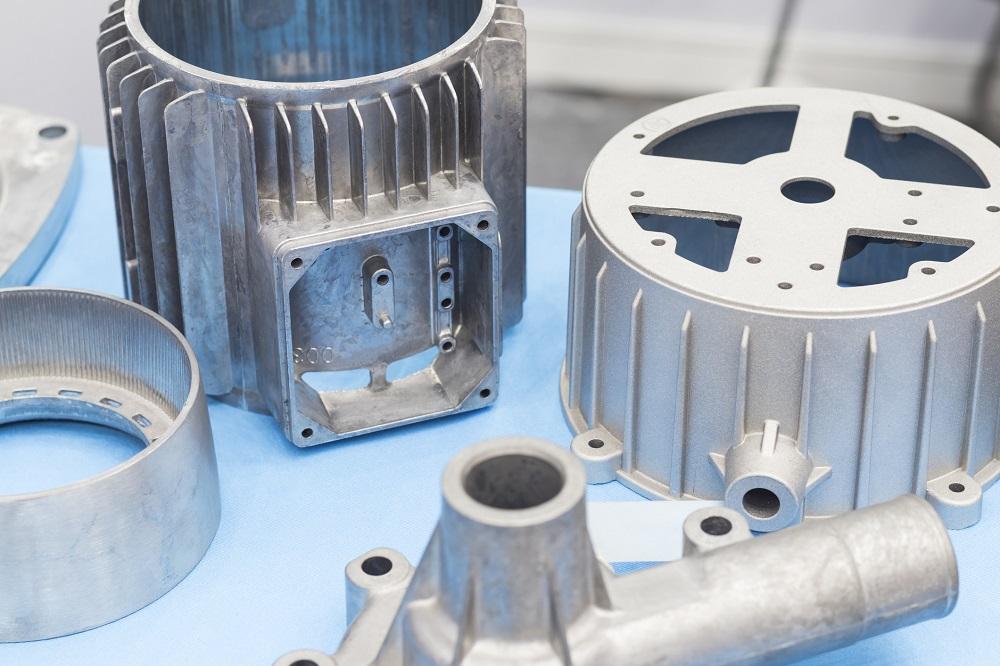
Sorts Of Molds Utilized in Aluminum Foundry
When choosing mold and mildews for light weight aluminum foundry applications, various types are available, each developed to meet certain manufacturing demands and casting strategies. One of the most common kinds include sand molds, which are functional and ideal for complicated forms, and permanent mold and mildews, made from steel for high-volume production with better surface finishes. Another type is investment molds, known for their accuracy and fine detail, perfect for detailed styles. Furthermore, there are shell mold and mildews, which incorporate the benefits of sand and permanent molds, providing longevity and excellent dimensional precision. Finally, die casting mold and mildews are made use of for high-speed manufacturing, giving regular top quality and reduced cycle times. Each mold and mildew type has one-of-a-kind features that affect the quality of the final aluminum product, production effectiveness, and overall costs. Comprehending these types allows foundry professionals to choose one of the most appropriate mold and mildew for their specific applications and wanted outcomes.
Important Devices for Mold Creation
A selection of essential devices are required for mold production in light weight aluminum foundry procedures, each adding to the performance and precision of the spreading process. Key devices consist of pattern-making devices, which shape the mold according to design specs. These can be made from products like metal, plastic, or wood. Furthermore, mold structures are necessary for maintaining mold and mildew stability during casting.
Various other needed tools encompass core boxes, which help produce interior cavities within the shaped parts, and gating systems that assist in the go to my blog flow of liquified light weight aluminum. For finishing touches, surface completing tools, such as grinders and sanders, guarantee the mold surfaces are smooth and accurate.
Clamping devices are additionally important, protecting mold and mildews throughout the putting procedure. Finally, measuring devices, like calipers and evaluates, offer accuracy in mold and mildew dimensions. Together, these devices develop the backbone of reliable mold development in aluminum shops.
The Process of Making Aluminum Molds
Developing aluminum molds entails a methodical Visit Website technique that ensures accuracy and top quality in the end product. The process begins with designing the mold, utilizing computer-aided design (CAD) software program to create a detailed blueprint. This layout is then translated into a physical form through machining, where experienced operators make use of crushing turrets and machines to carve the mold and mildew from strong light weight aluminum blocks.
Once the mold and mildew is shaped, it undertakes surface treatment to secure a smooth finish, which helps in the ejection of the casted components. Hereafter, assembly of the mold and mildew parts takes location, ensuring proper positioning and fit. Next, the mold is examined for performance, typically entailing test casts to determine any type of prospective issues. Changes might be made based on screening outcomes. With cautious interest at each stage, the finished light weight aluminum mold and mildew is gotten ready for usage in various casting applications, assuring high-quality and constant end results.
Tips for Effective Aluminum Foundry Projects
Effective light weight aluminum foundry tasks depend on precise preparation and execution throughout the entire process. To ensure perfect outcomes, it is necessary to specify clear goals before beginning any kind of project. This includes comprehending the requirements and needs of the last item. Correct material selection plays a substantial duty; making use of high-quality aluminum alloys can boost toughness and efficiency.
Furthermore, precise mold design my company and fabrication are critical. Accurate measurements and attention to detail will certainly lessen flaws and reduce waste. Incorporating advanced technologies, such as computer-aided style (CAD), can significantly enhance the layout procedure.
It is additionally essential to maintain effective interaction among staff member to ensure everyone is on the exact same page. Normal analyses during production can assist determine potential problems early, enabling timely changes. Finally, cautious post-casting treatments, like machining and completing, can raise the quality of the end product, resulting in an effective aluminum foundry task.
Frequently Asked Questions
What Safety Safety Measures Should I Take When Working With Aluminum?
When working with aluminum, individuals need to put on protective glasses, handwear covers, and respiratory system masks. In addition, making certain correct ventilation, maintaining a tidy office, and utilizing devices securely are essential safety measures to stop accidents and carcinogen.
Exactly how Lengthy Does It Take to Produce an Aluminum Mold And Mildew?
Producing an aluminum mold commonly takes anywhere from a couple of days to several weeks. Aluminum Casting Company. Elements influencing this timeline consist of design complexity, product schedule, and the certain strategies employed in the mold-making process
Can I Reuse Aluminum Molds for Multiple Spreadings?
Yes, light weight aluminum molds can be reused for several castings. Their toughness enables repeated usage, although the life expectancy may differ based upon variables like layout intricacy and spreading problems, which can influence mold integrity over time.
What Is the Expense Range for Aluminum Foundry Tooling?
The price range for light weight aluminum foundry tooling varies substantially, usually falling between $1,000 and $10,000 (Aluminum Foundry). Elements influencing the price consist of layout intricacy, mold size, and manufacturing quantity, impacting total investment demands for suppliers
Where Can I Locate Distributors for Aluminum Foundry Products?
.jpg)
Different mold and mildew types, such as sand and financial investment molds, provide to different production requirements (Aluminum Foundry). When selecting mold and mildews for light weight aluminum foundry applications, various types are readily available, each developed to fulfill details production needs and casting strategies. The most usual types consist of sand mold and mildews, which are appropriate and versatile for intricate forms, and permanent molds, made from metal for high-volume production with much better surface coatings. Additionally, there are shell mold and mildews, which combine the benefits of sand and permanent molds, providing sturdiness and superb dimensional precision. A variety of crucial devices are required for mold production in aluminum foundry processes, each adding to the effectiveness and precision of the casting procedure